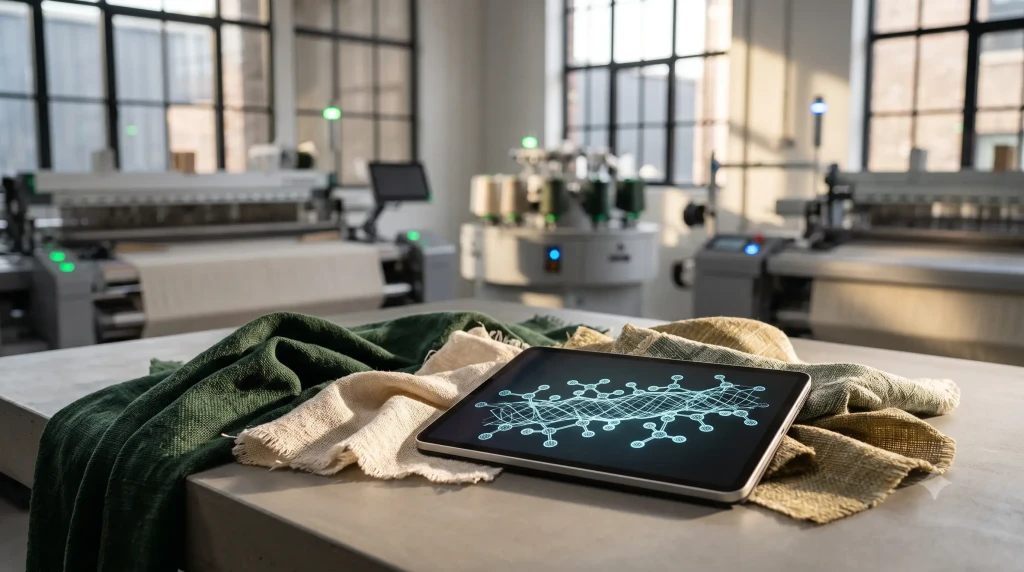
Our transition to closed loop manufacturing is a calculated response to a clear business reality: global and domestic elites now demand absolute transparency in their supply chains. They want to know where their organic cotton was harvested, who dyed the yarn, and how much water was returned to the local ecosystem. Meeting these expectations requires a complete overhaul of traditional production facilities, replacing outdated, resource intensive machinery with systems that treat water and energy as finite assets.
Why Surat’s heritage weavers are adopting the clean tech ledger
The traditional textile processing units of Varachha and Sachin have historically prioritized raw output over resource efficiency, leading to significant local water stress. For any serious player in Gujarat, continuing with these outdated practices is a fast track to regulatory friction and reputational decline. True progress lies in updating our production facilities with systems that minimize intake while maximizing output quality. By integrating state of the art filtration and automated dye dispensing technology, we have stabilized our production costs while delivering fabrics that meet global luxury standards.
This transition is critical when dealing with complex fabrics like Banarasi printed silk and golden jacquards. These fabrics require precise chemical treatments and multiple wash cycles to achieve their signature hand feel and luster. If you run these processes using standard municipal water, mineral inconsistencies can ruin entire batches of delicate yarn. By investing in closed loop purification systems, we ensure that every drop of water used in our facilities is chemically balanced, leading to consistent dye absorption and a superior finished product.
Is zero liquid discharge achievable in high volume weaving?
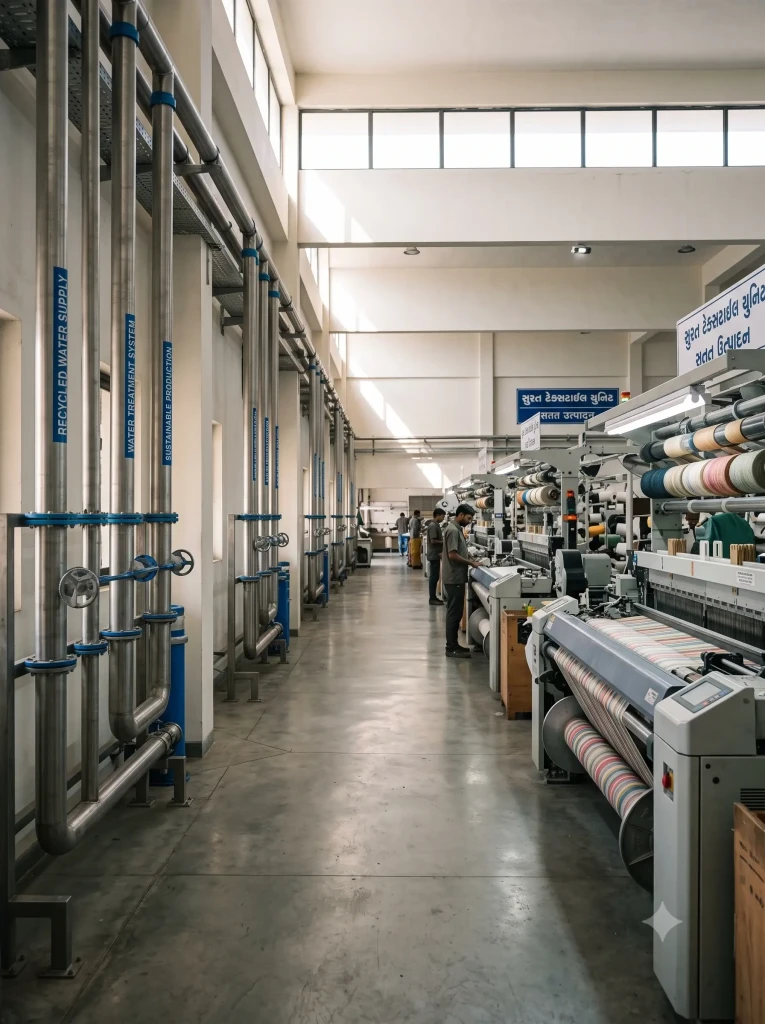
Achieving zero liquid discharge in textile processing is one of the most capital intensive challenges an industrialist can face. Many operators claim to practice water recycling, but the reality on the ground is often a cycle of temporary storage and off site disposal. True recycling requires a multi stage system involving primary filtration, reverse osmosis, and thermal evaporators to recover up to ninety five percent of the process water.
The friction here is the ongoing operational costs. Thermal evaporators consume immense amounts of electricity, which can quickly erase the cost advantages of recycling your water. At Hindva, we offset this energy demand by installing rooftop solar arrays across our production units, using clean energy to power our water recovery systems. It is an expensive, complex balancing act, but it is the only way to guarantee that our sustainable luxury solutions are truly clean.
Can heritage embroidery survive a modern supply chain?
Hand embroidery and complex jacquard weaving are slow, deliberate arts that do not naturally sit comfortably within a high speed corporate supply chain. In the past, manufacturers either compromised on artisan welfare to meet tight delivery deadlines, or accepted unpredictable lead times that alienated retail partners.
To solve this, we structured our production floor to separate high speed base weaving from skilled artisanal embroidery. This hybrid model allows us to utilize advanced electronic jacquard looms for the foundational fabric, while giving our master craftsmen the time and space they need to execute detailed hand embroidery. By providing stable wages and safe, modern working conditions, we keep these traditional skills alive in Gujarat while maintaining the reliable delivery schedules that corporate clients expect.
Redefining the loom through Hindva’s textile division investment
Our work in textiles does not exist in a vacuum; it is guided by the same operational rigor that defines our real estate and IT divisions. When you look at the typical textile factory in Gujarat, you see disorganized layouts, poor ventilation, and massive energy waste. We approached our manufacturing facilities with the mindset of a developer, designing spaces that optimize material flow and maximize natural lighting.
Our LEED compliant manufacturing infrastructure utilizes natural ventilation and high efficiency lighting to reduce our carbon footprint before a single loom even turns on. This structural efficiency directly impacts the quality of our textiles. A clean, temperature controlled environment prevents dust contamination on delicate silk and cotton yarns, resulting in fewer warp breaks and a more uniform fabric weave.
Why does real estate discipline matter on the factory floor?
Applying real estate development principles to textile plants changes how you view space and energy. Every square foot of a manufacturing facility must be engineered to reduce physical waste and transit times. By treating the factory floor as a high value piece of commercial real estate, we have eliminated bottlenecks in our yarn to fabric pipeline, ensuring that our premium cotton and silk products are processed under optimal environmental conditions.
Do buyers care about the fiber origin of a Banarasi silk saree?
The modern luxury consumer in Ahmedabad or Mumbai is highly educated and deeply skeptical of generic sustainability claims. They are no longer satisfied with a tag that simply says organic; they want proof. This shift in buyer behavior has forced us to integrate digital tracking into our textile production process.
By utilizing our IT division’s expertise, we are developing tracking mechanisms that record every step of the production cycle, from the raw cotton farm to the final retail shelf. When a customer purchases a premium Hindva garment, they can verify its origin, the dye certifications, and the fair wage credentials of the weavers involved. This level of supply chain transparency is what separates modern luxury from the mass produced alternatives that flood the market.
The microeconomics of sustainable luxury in Gujarat
There is a common misconception among business leaders that green manufacturing is a luxury only international brands can afford. In reality, the economics of resource conservation make perfect sense when viewed over a five to ten year horizon. While the upfront cost of energy efficient looms and water treatment plants is higher, the reduction in raw material waste and utility bills creates a highly resilient business model.
In Gujarat, where water tariffs and electricity costs are subject to frequent adjustments, self sufficiency is a major competitive advantage. By generating our own solar energy and recycling our process water, we shield our operations from market volatility. This financial stability allows us to maintain consistent pricing for our long term retail partners, proving that ecological responsibility is also a sound financial strategy.

Does eco-friendly production always mean a higher price tag?
Not necessarily. When you optimize your production processes to eliminate waste, you naturally offset the higher cost of certified raw materials. For instance, our automated dye kitchen reduces chemical waste by twelve percent compared to traditional manual mixing methods. This saving is directly passed on to our clients, allowing us to offer premium, sustainably made fabrics at competitive price points.
At the same time, our conglomerate asset integration allows us to share overhead costs across our real estate, IT, and textile divisions. This diversified corporate structure gives us the financial runway to invest in long term sustainability initiatives without needing to squeeze our immediate margins. It is a structural advantage that independent textile mills simply cannot match.
Partner with the future of luxury textiles
The shift toward conscious luxury is not a passing trend; it is a permanent transition in how premium goods are made and valued. As businesses and high net worth individuals in Gujarat continue to seek out partners who share their environmental values, the demand for verified, high quality textiles will only grow.
If you are looking to source premium sarees, custom jacquards, or embroidered cottons that match your brand’s environmental commitments, we invite you to explore our textile production capabilities. Let us show you how we are combining generations of Gujarati weaving heritage with the clean tech systems of tomorrow. Partner with Hindva to secure premium, responsibly made fabrics that elevate your brand and protect our shared resources.
Frequently asked questions
How does Hindva guarantee the sustainability of its textile operations?
We achieve sustainability by using certified raw materials like organic cotton and silk, alongside our closed loop water recycling systems and on site solar energy arrays. Every stage of our production process is audited to ensure minimal environmental impact and complete transparency.
Can sustainable manufacturing processes handle high volume commercial orders?
Yes, our facilities in Surat integrate high speed electronic jacquard looms with automated dye dispensing units, allowing us to maintain massive production volumes without compromising our ecological standards or fabric consistency.
What types of fabrics are produced under Hindva’s textile division?
We specialize in premium ladies embroidered cotton sarees, Banarasi printed silk sarees, and high quality golden jacquard silk fabrics, combining traditional Gujarati handcrafting with modern sustainable industrial practices.
How does Hindva support the local weaving community in Gujarat?
We bridge the gap between traditional craft and modern industry by providing stable, fair wages, safe working environments, and structured production timelines that protect our artisans from the exploitative cycles of the unorganized sector.
Why does a diversified conglomerate structure benefit textile production?
Our conglomerate background allows us to apply real estate development efficiency to factory design, leverage our IT division for supply chain tracking, and share corporate overheads, making our sustainable practices financially viable and highly scalable.